
Residential Boiler Repair & Hydronic Service in New York
Boiler systems provide the gentle, radiant comfort essential for surviving harsh New York winters. Whether your home relies on a vintage gravity steam system or a multi-zone forced hot water hydronic boiler, our technicians diagnose pressure, circulation, and combustion issues with precision.
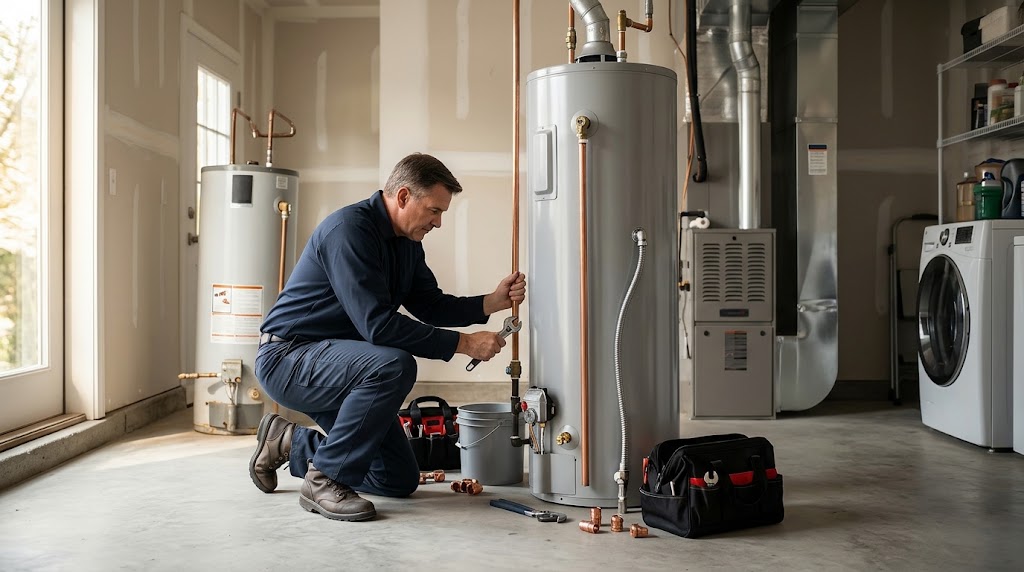
Distinguishing Steam Boilers vs. Hot Water Hydronic Systems
Before addressing boiler symptoms, it is critical to understand which type of heating loop warms your home:
- Steam Boiler Systems: Common in historic pre-war homes throughout the Capital Region, steam boilers boil water inside the cast-iron vessel to generate steam pressure. The steam travels through large-diameter iron risers to cast-iron radiators, where it condenses back into water and flows back to the boiler. Key components include sight glass water level gauges, automatic low-water cutoffs (LWCO), and radiator steam air vents.
- Forced Hot Water Hydronic Boilers: Modern hydronic boilers heat closed loops of water to approximately 180°F without boiling. Electric circulator pumps distribute the hot water through baseboard copper fin-tubes, radiant in-floor tubing, or radiators. System pressure is maintained between 12 and 15 PSI by an automatic water feeder and diaphragm expansion tank.
Common Boiler Warning Signs Homeowners Must Not Ignore
Boiler malfunctions compromise both home comfort and safety. Contact dispatch immediately if you observe any of the following:
- Banging or Hammering Radiators ('Water Hammer'): On steam systems, loud clanking noises occur when condensing steam collides with trapped water pools due to sagging pipes or defective radiator air vents.
- Uneven Room Heating or Cold Zones: When one zone heats while others remain cold, the cause is typically an air-bound loop, a failed zone valve actuator head, or a seized circulator pump.
- Water Dripping from the Pressure Relief Valve: A discharge from the 30 PSI safety valve indicates thermal overpressure, often caused by a waterlogged expansion tank or a leaking pressure-reducing fill valve.
- Burner Lockout or Yellow Sooty Flame: A boiler failing to ignite or producing yellow, sooty flames indicates combustion air deficiency or burner gas control malfunction, requiring immediate certified mechanical inspection.
Crucial Seasonal Maintenance Protocols
An unserviced boiler loses efficiency and is prone to mid-winter breakdowns. Comprehensive seasonal service includes:
- Testing the low-water cutoff safety control to ensure the burner cuts out immediately if boiler water drops below safe operational levels.
- Flushing the low-water cutoff blowdown valve on steam boilers to clear sediment from internal float chambers.
- Checking system water pressure, lubricating pump motor bearings, and purging entrained air pockets from upper-floor radiator loops.
- Inspecting the flue exhaust draft and checking for carbon monoxide leakage around the draft hood and heat exchanger.
Verified New York Communities Offering This Service
Explore our independently developed local service hubs tailored to the specific infrastructure and environmental conditions of each market:
Frequently Asked Questions
Need Immediate Assistance With This Service?
Speak with our dispatch coordination team right now to review symptoms and schedule on-site diagnostics.
Call (888) 205-7875